Every success has a bigger story
When a child earns a good grade, learns to ride a bicycle, or masters a new skill, it's natural to celebrate their effort. But another question makes the celebration richer: Who helped make this possible?
A parent found time for practice. A friend offered encouragement. A teacher explained something in a new way. A sibling patiently waited their turn. None of these contributions cancels the child's achievement. Recognizing them helps children understand that growth happens within relationships.
Humility doesn't erase individual effort; it adds perspective.
Look beyond the obvious helpers
Children usually remember the person standing closest to the finish line. They may not think about the coach who organized the equipment, the grandparent who drove them to practice, or the classmate who patiently took turns.
Invite your child to work backward from one accomplishment. Ask: “What had to happen before you could do that?” Keep asking gently until you uncover the network of people and circumstances behind the moment.
For a school concert, the list might include the music teacher, family members who listened to rehearsals, and the person who prepared the stage. For learning to cook, it could include a family recipe, grocery shopping, and someone willing to let the child make a mess.
Don't force a child to thank someone for an unhelpful or uncomfortable interaction. Appreciation should be sincere, not automatic praise for every adult.
Make gratitude specific
“Thanks for everything” is polite, but “Thanks for showing me the difficult part again” explains what mattered. Encourage a child to mention the action they noticed and how it helped.
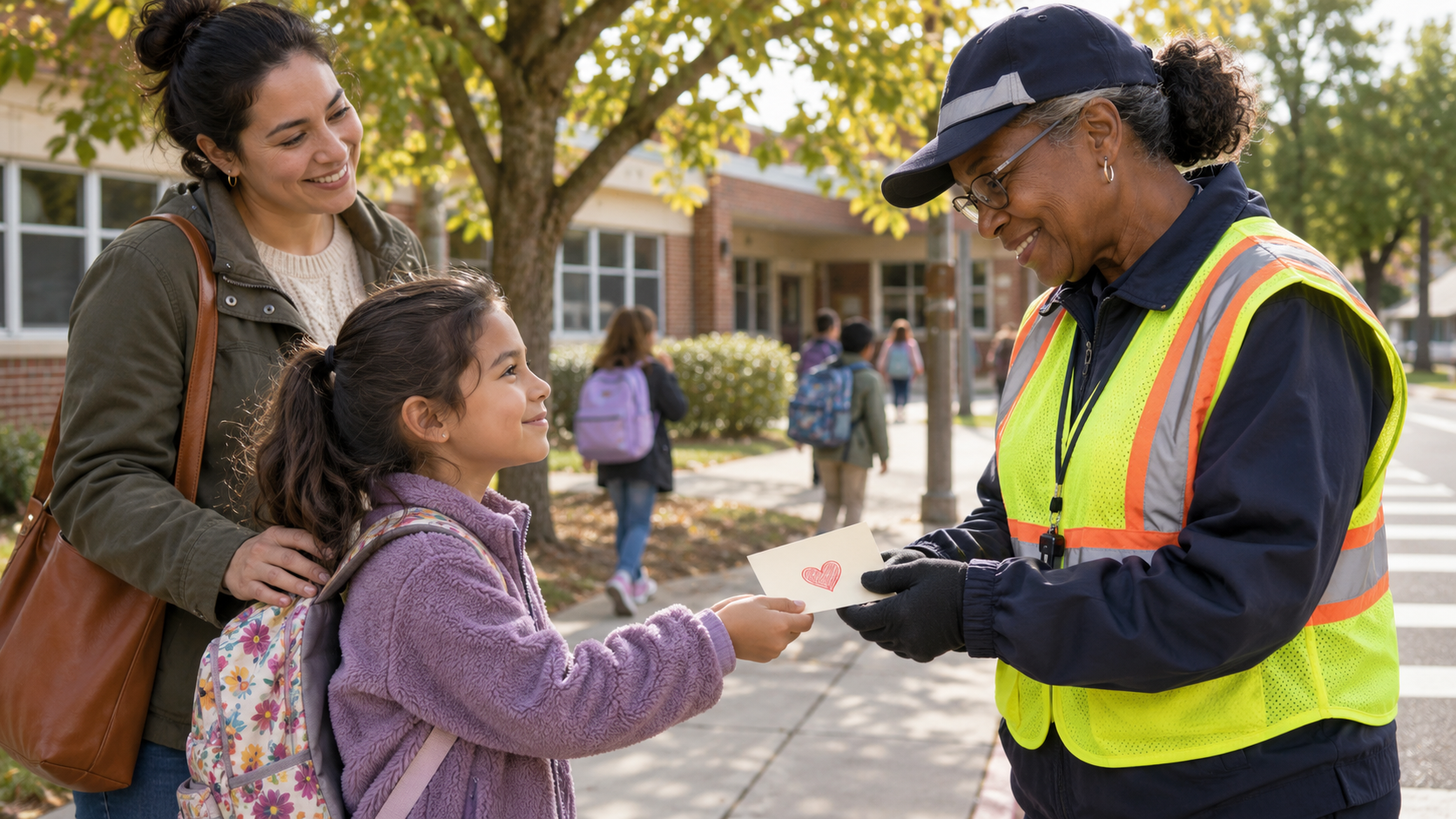
A handwritten note, a brief conversation, or a thoughtful gesture can all communicate appreciation. Some children enjoy drawing a picture more than writing. Others may want to speak privately instead of in front of a group. Offer choices.
In martial arts, a student may advance through individual practice, yet partners, instructors, and classmates also contribute to learning. Noticing that shared effort can help students become the kind of teammates who encourage others in return.
Family activity: draw a support map
Put one goal or recent success in the middle of a piece of paper. Draw circles around it for everyone who helped, directly or indirectly. Label each circle with one specific contribution. Then invite your child to choose one person to thank this week.
Keep the map on the refrigerator for a few days. New names may appear as your family continues the conversation. The exercise can also reveal opportunities for the child to support someone else.
Conversation starter
“Who helped you grow this month in a way they might not even realize?”
At Edge Martial Arts in Stillwater, we believe the lessons connected to training can continue at home. Noticing the people behind our progress is one way families can practice humility without making achievement feel any smaller.