Self-control begins in a very ordinary moment
Imagine a board game ending in an argument. Someone changes a rule, a sibling makes a teasing remark, and your child wants to shout back. The feeling arrives quickly. The response does not have to.
Self-discipline is sometimes described as doing your chores or finishing your homework. It also includes choosing what to do when emotions are strong. The goal is not a child who never gets upset. Frustration, disappointment, and anger are normal experiences. The skill is learning to notice a feeling before acting on the first impulse it brings.
Teach the pause while everyone is calm
Trying to introduce a new strategy in the middle of an argument is difficult. Practice it at a neutral time instead. A three-part routine works well: notice, pause, choose.
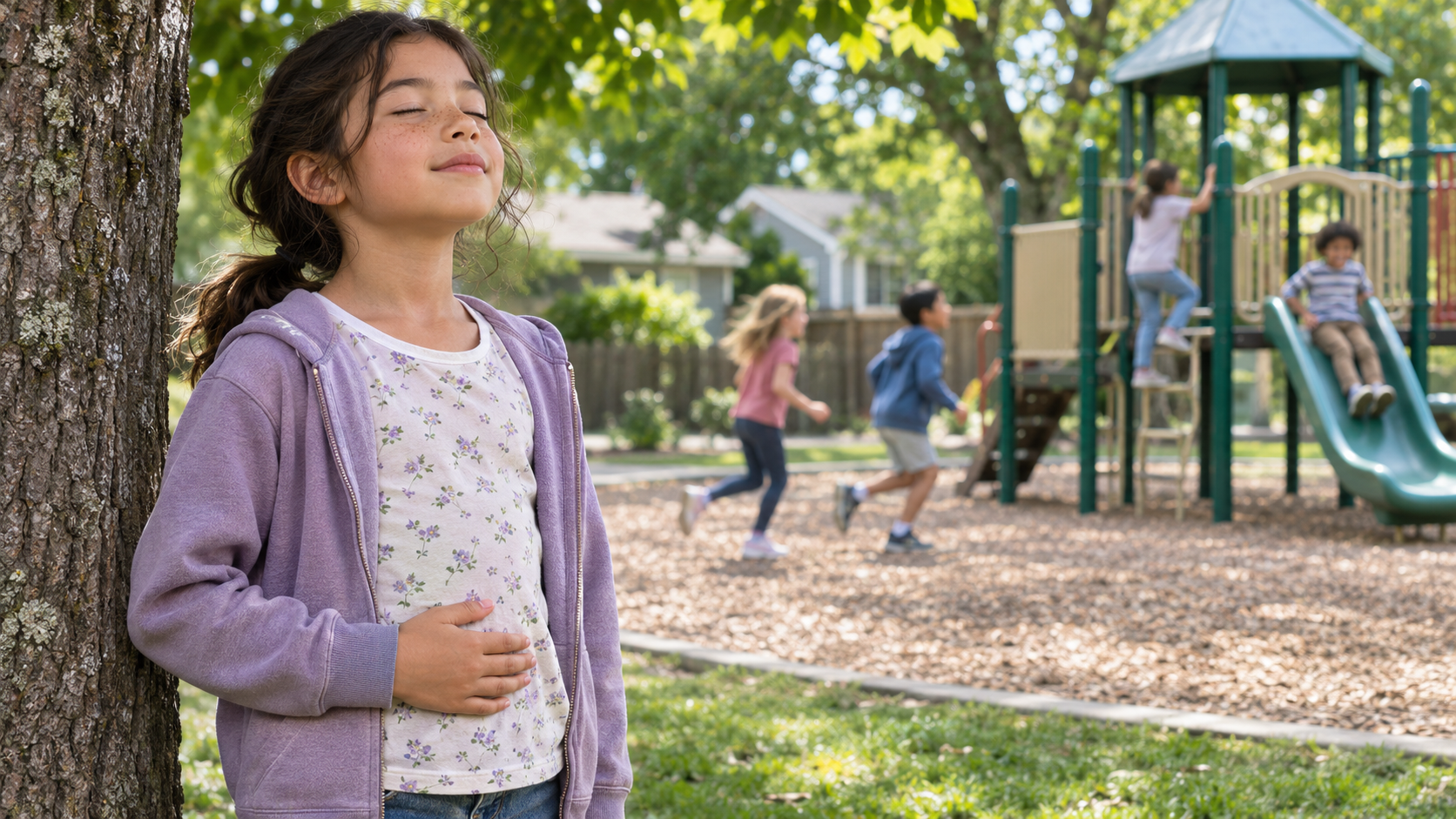
First, help your child recognize a clue: a tight jaw, a louder voice, a racing thought, or the urge to walk away. Then practice a short pause. They might put both feet on the floor, take a comfortable breath, or silently count to three. Finally, identify one useful choice: ask for space, use words to explain the problem, or request help.
The routine doesn't have to look the same for every child. Some prefer movement; others prefer quiet. The important part is that it gives them a small gap between impulse and action.
Make room for imperfect attempts
A child may remember the pause only after yelling. That's still a moment to reflect: “You noticed it afterward. What might help you notice sooner next time?” Learning happens through repetition and feedback, not a single perfect conversation.
Keep expectations realistic. If anyone is unsafe, an adult's first responsibility is to protect the people involved. Save the reflective discussion for later.
Parents can practice the same skill aloud without overexplaining: “I'm frustrated, so I'm going to take a moment before I answer.” That statement models self-control as a habit rather than an order imposed only on children.
The connection to training
In martial arts, rushing a movement can make a technique less precise. Students practice noticing body position and choosing when to move. While emotional moments are different from physical techniques, both invite attention before action.
At Edge Martial Arts, we want students to discover that slowing down can be a form of strength.
Family activity: pause-and-choose cards
Together, create three small cards: “Ask for space,” “Use a calm sentence,” and “Get help.” Place them somewhere accessible. During a pretend situation—someone cuts in line for a game, for example—have each family member choose a response and practice the words they would use.
Later in the week, celebrate noticing a pause even if the final response wasn't perfect. Practice is the point.
Conversation starter
“What signs tell you that you're about to react before you've had time to think?”
If your family tries just one idea from this lesson, make it the habit of practicing a response before a stressful situation happens. That's how a useful option becomes easier to remember.